Obstacles Removed to Support Future Projects
Tree and Stump Management in Lansing for properties facing safety concerns and maintenance obstacles
Unwanted trees create hazards near structures, interfere with access routes, and limit how homeowners and land managers use their properties for improvements or recreational activities. Stumps left from previous removals become tripping hazards, damage mowing equipment, and occupy space that could support landscaping or construction projects. Tree and stump management addresses these issues by removing obstacles and grinding remnants below grade, creating usable space and eliminating safety concerns that worsen as trees age or decay. Mitten State Mulching Co serves residential, agricultural, and recreational properties throughout Lansing, evaluating each project based on tree size, location, and the surrounding conditions that affect removal methods.
Removal work considers access for equipment, proximity to power lines or structures, and whether the tree can be felled safely without damaging surrounding features. Stump grinding reduces remnants to wood chips that fill the void left by the stump, eliminating the raised obstacle and allowing the area to be graded, seeded, or used for other purposes.
Discuss tree and stump removal requirements during a consultation to determine the approach that fits your property layout.
How Removal Addresses Long-Term Property Goals
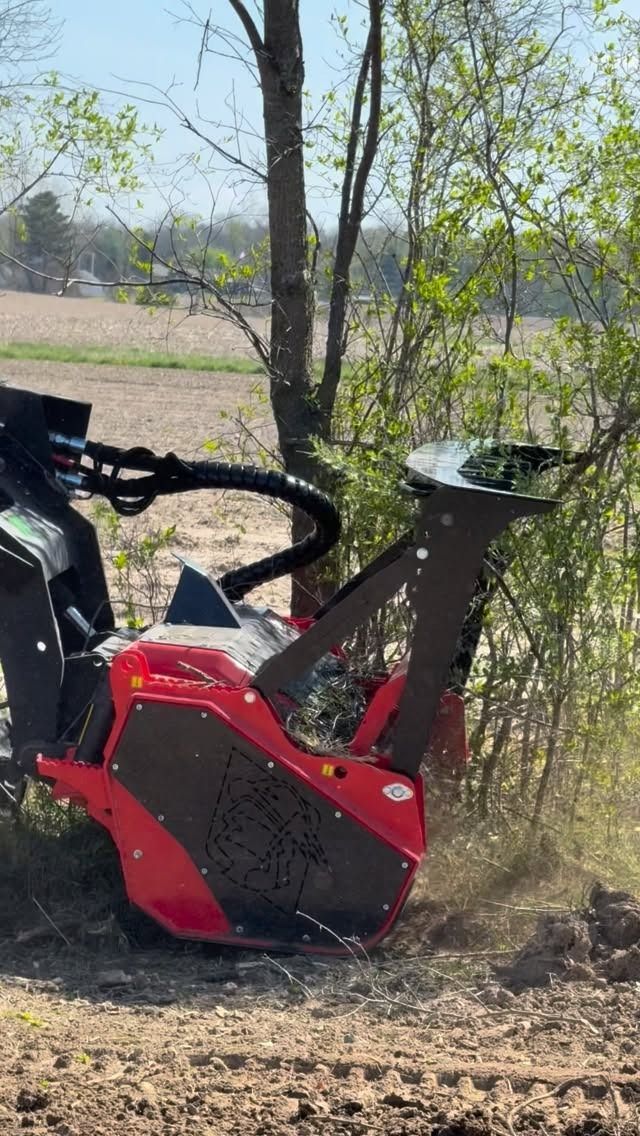
Tree removal involves assessing fall zones, sectioning larger specimens to control direction, and processing material on-site or hauling it depending on the property owner's preference and project scope. Stump grinding equipment uses carbide teeth to shred wood and root structure several inches below ground level, creating a depression filled with chips that settle as they decompose over months.
Once trees and stumps are removed, property owners notice clear sightlines, improved access for vehicles or foot traffic, and ground that no longer poses risks during routine maintenance or recreational use. Areas that were previously avoided due to low-hanging branches, decaying trunks, or protruding roots become functional spaces suitable for parking, storage, garden expansion, or simply easier lawn care. Removing problem trees also reduces the risk of storm damage to structures and eliminates habitats for insects or fungi that spread to healthy trees nearby.
Projects vary widely based on tree size and stump count, with some properties requiring single-tree removals while others need comprehensive clearing to prepare for fencing, driveways, or building sites. Pricing depends on access difficulty, equipment requirements, and whether material is chipped on-site or requires hauling to a disposal location.
Questions Before Starting Your Project
Property owners preparing for tree and stump work often ask about methods, timing, and how removal integrates with broader land improvement plans in Lansing.
What determines whether a tree should be removed versus trimmed?
Removal is appropriate when trees are dead, dying, structurally compromised, interfering with construction or access, or located where they create ongoing maintenance burdens or safety risks that trimming cannot resolve.
How deep does stump grinding go below the surface?
Grinding typically extends six to twelve inches below grade, deep enough to allow soil coverage for seeding or sod installation and to eliminate the obstacle for mowing equipment without requiring full root excavation.
Can stumps be removed during winter months in Lansing?
Frozen ground makes stump grinding more difficult because soil provides less give for equipment, though winter removal is possible and often preferred when ground conditions are firm enough to support machinery without rutting wet or saturated areas.
What happens to the wood chips left after stump grinding?
Chips can remain on-site to fill the depression and decompose naturally, or they can be hauled away if the area will be graded or paved, depending on the property owner's plans for that section of the lot.
How does tree removal affect surrounding vegetation and soil?
Removing a tree opens the canopy, allowing more sunlight to reach ground-level plants and changing moisture patterns in the root zone, which can encourage new growth or require adjustments to irrigation and planting plans.
Mitten State Mulching Co evaluates each tree and stump based on size, location, and site conditions before recommending the most efficient removal approach. Arrange a property visit to review your specific removal needs and project timeline.