Properties Reclaimed Without Hauling or Burning
Forestry Mulching Solutions in Lansing for properties overtaken by brush, saplings, and invasive vegetation
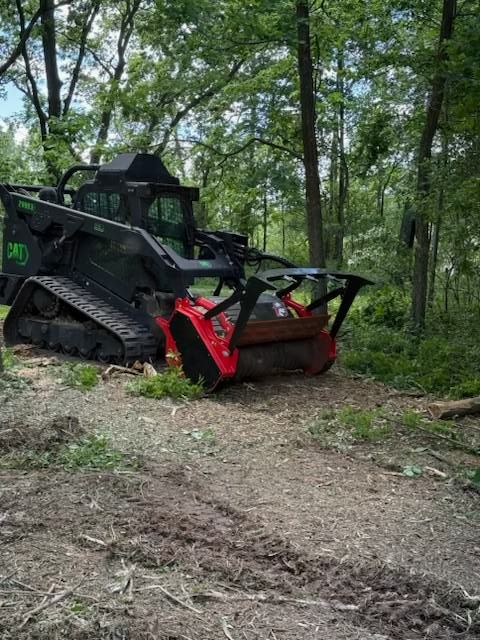
Dense undergrowth transforms productive land into inaccessible acreage faster than most property owners expect. Mitten State Mulching Co handles forestry mulching throughout Lansing using specialized equipment that grinds vegetation on-site rather than cutting and hauling material off the property. The process converts saplings, thick brush, and invasive species into organic mulch that remains in place, reducing the need for burn permits, dump fees, or multiple equipment passes.
Forestry mulching equipment cuts through standing vegetation and processes it into ground material in a single operation, eliminating the pile-and-burn approach that delays property use for weeks. The mulch layer left behind helps stabilize soil, reduce erosion on slopes, and suppress regrowth by blocking sunlight from reaching seeds and root systems that would otherwise regenerate quickly.
Schedule a property evaluation to determine the most effective clearing approach based on vegetation density and terrain conditions.
How Mulching Improves Long-Term Site Usability
The equipment processes material directly where it stands, grinding stems, small trees, and undergrowth into uniform chips that settle into the soil surface. This method works effectively on residential lots preparing for landscaping additions, hunting properties needing improved sightlines, and farms reclaiming pasture edges where woody growth has encroached beyond fence lines.
Once cleared, the property reveals defined boundaries, open views, and terrain that supports vehicle access or future trail development. The organic layer decomposes gradually, adding nutrients back into the soil while preventing the immediate resurgence of invasive species that typically follow conventional clearing methods. Properties that were previously unusable due to dense vegetation become functional spaces within days of completing the mulching process.
The approach avoids large-scale excavation that disturbs topsoil and root structures of trees intended to remain. Clearing work can be staged across multiple sessions to target specific zones without committing to full-property removal, allowing landowners to preserve certain vegetation clusters while opening priority areas first.
Questions Before Starting Your Project
Property owners throughout Lansing often ask similar questions when evaluating whether forestry mulching suits their land improvement goals.
What types of vegetation can forestry mulching equipment process?
The equipment handles brush, saplings up to several inches in diameter, invasive shrubs, and dense undergrowth that conventional mowing cannot address, though larger established trees may require separate removal methods.
How does mulching compare to traditional clearing methods that involve cutting and hauling?
Mulching eliminates the need to transport material off-site, reduces project timelines by combining cutting and processing into one operation, and leaves behind organic material that decomposes naturally rather than requiring disposal.
When is the best time to schedule mulching work in Lansing?
Ground conditions during late fall through early spring often provide better access for equipment on wet or uneven terrain, though projects can proceed year-round depending on soil stability and vegetation moisture content.
What happens to the mulch layer after it settles?
The organic material breaks down over months, enriching the soil while forming a barrier that reduces weed germination and erosion on slopes or disturbed areas.
Can mulching be used to prepare land for specific improvements like trails or food plots?
The process creates accessible surfaces suitable for trail establishment, prepares ground for seeding, and opens areas for fencing or additional construction without requiring extensive grading.
Mitten State Mulching Co evaluates each property's vegetation density, terrain slope, and intended use before determining the clearing approach that delivers the most functional results. Request a site visit to discuss your property's specific clearing needs and timeline.