Driveways That Handle Michigan Weather
Gravel Driveway Services in Lansing for properties dealing with potholes, washboarding, drainage failure, and uneven surfaces
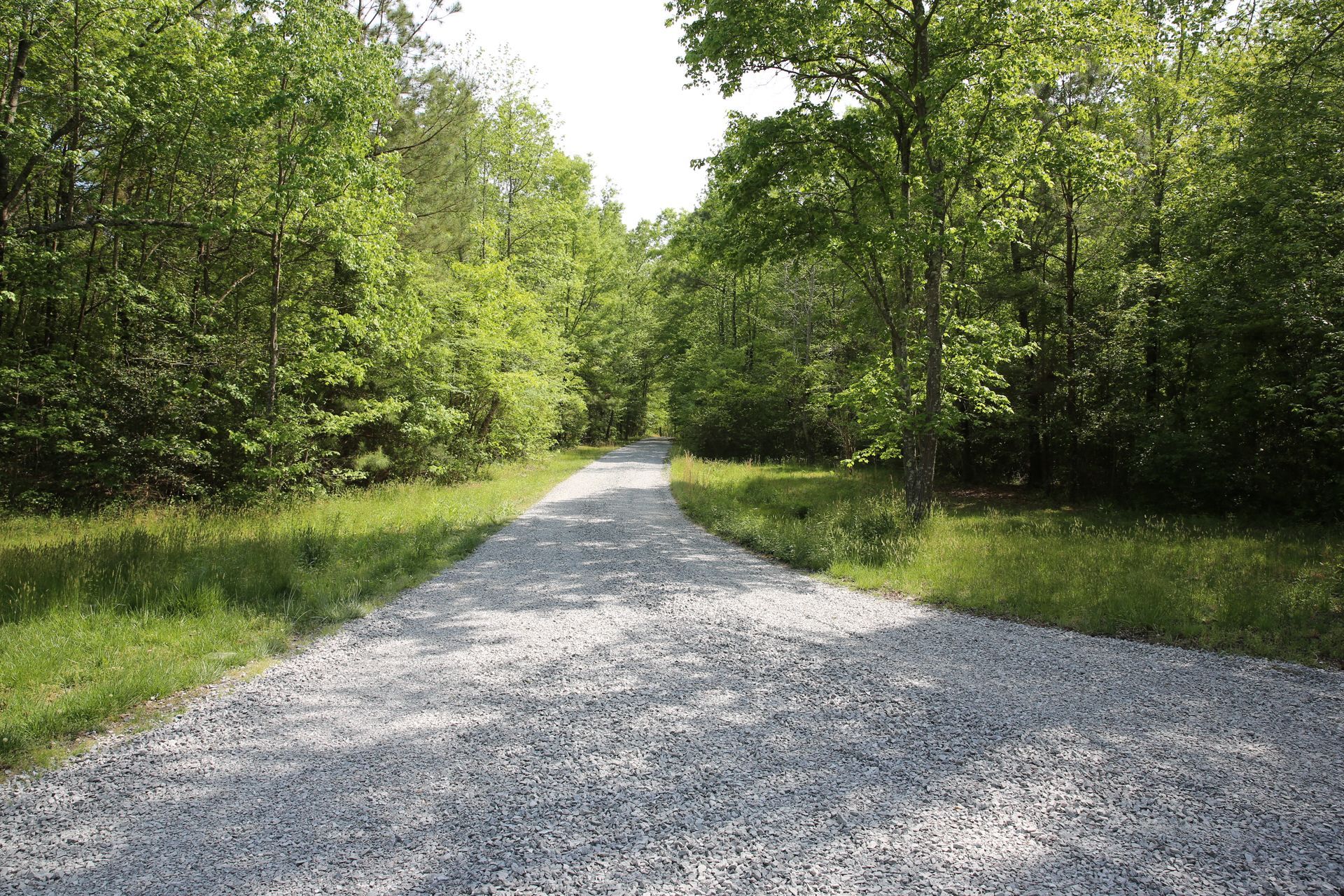
Gravel driveways degrade under repeated freeze-thaw cycles, heavy rain, and vehicle traffic, developing potholes, ruts, and washboard surfaces that make driving difficult and damage vehicles over time. Mitten State Mulching Co provides gravel driveway restoration, grading, reshaping, and new installation services across residential, agricultural, hunting, and recreational properties in Lansing, addressing the common failures that occur when driveways lack proper base preparation or drainage design. The work restores driving conditions, improves accessibility, and extends the functional life of driveways that have deteriorated beyond what routine grading can fix.
Driveway restoration involves regrading the surface to correct drainage, adding new gravel where material has been displaced or compacted, and reshaping the crown and edges so water sheds off rather than pooling in wheel tracks. Michigan's clay-heavy soils and spring runoff create conditions where driveways without proper slope or base material turn into mud pits or washout zones, and fixing those issues requires more than just dumping gravel on top of the existing surface. New driveway installations are planned around property layout, soil conditions, and how the driveway will be used so the final result handles year-round traffic without constant repairs.
Schedule a property evaluation to review your driveway condition and discuss restoration or installation options based on current issues and long-term access needs.
Why Gravel Driveways Fail and How to Prevent It
Driveway problems start when the base isn't compacted properly, drainage isn't considered during initial installation, or gravel material is too fine or too coarse for the application. Water that doesn't drain off the surface works its way into the base layer, softening the soil underneath and creating depressions that collect more water and worsen with each vehicle pass. Proper driveway work involves establishing a stable base, creating a crown or slope that directs water to the edges, and using graded gravel that compacts without turning to dust or washing away during heavy rain.
After the driveway is restored or installed, you'll notice smoother driving conditions, fewer potholes and ruts, and water that drains off the surface instead of pooling in low spots. Driveways with proper slope and material hold up through wet springs and freeze-thaw cycles without developing the washboarding and erosion common on poorly maintained routes. Regular maintenance such as occasional grading and adding material where high-traffic areas compress over time keeps the driveway functional and prevents the need for full reconstruction.
The service also addresses driveways that have never worked correctly due to poor initial installation, inadequate material, or terrain issues that weren't accounted for. Properties with steep grades, high water tables, or heavy use from farm equipment or logging trucks benefit from driveway designs that include base reinforcement, culvert placement, and material selection matched to the load and conditions the surface will face.
What Property Owners Usually Ask
Gravel driveway projects bring up questions about materials, drainage, and what it takes to keep a driveway functional without constant rework.
What type of gravel works best for driveways in the Lansing area?
Crushed limestone or angular stone in three-quarter-inch to two-inch sizes compacts well and resists displacement, while finer screenings can be used as a top layer for smoother driving but may require more frequent maintenance in high-traffic areas.
How is drainage improved on an existing driveway?
Regrading the surface to establish a crown, adding culverts or drainage swales along the edges, and correcting low spots where water collects all contribute to moving water off the driveway before it can cause erosion or base failure.
Can a gravel driveway be used year-round without turning to mud?
Driveways with a properly compacted base, adequate drainage, and the right gravel material remain passable even during wet seasons, though spring thaws and heavy rain may require light grading to maintain the surface.
How often does a gravel driveway need maintenance?
Well-constructed driveways need grading and fresh gravel every few years depending on traffic levels, weather exposure, and how well the original installation was executed, while poorly built driveways may require attention multiple times per year.
What's included in a new driveway installation?
The process typically involves clearing and shaping the route, establishing a stable base layer, adding drainage features where needed, placing and compacting gravel in lifts, and final grading to create the proper surface slope and crown.
Mitten State Mulching Co works with property owners to restore driveways that have failed or install new routes designed to handle the demands of rural and recreational properties. Reach out to discuss your driveway project and get an evaluation based on current conditions and access requirements.