
Properties Cleared After Weather Damage
Storm Cleanup and Debris Removal in Lansing for properties recovering from fallen trees, wind damage, and accumulated debris
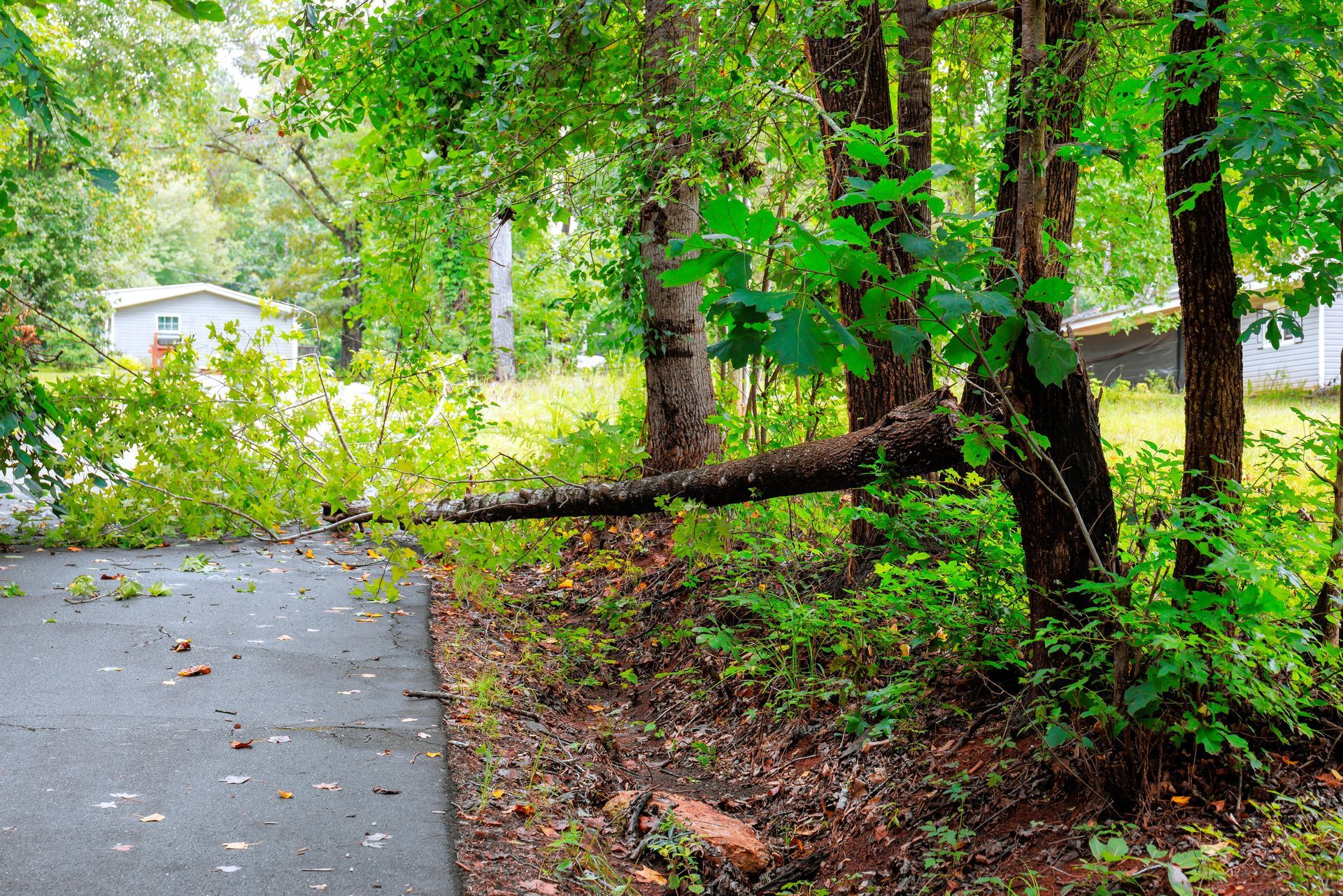
Severe weather leaves fallen trees blocking driveways, damaged limbs hanging overhead, and brush piles scattered across properties where safe access and normal use are no longer possible. Mitten State Mulching Co addresses storm cleanup across residential, agricultural, recreational, and commercial properties in Lansing, removing debris and restoring access so recovery can move forward without prolonged delays. The service handles both minor cleanup after isolated storms and extensive damage from widespread weather events that affect multiple areas of a property at once.
Cleanup work involves removing fallen trees from roads and structures, clearing brush piles and limbs, processing damaged vegetation, and restoring access to trails, driveways, and entry points. Michigan storms often bring down trees weakened by wet soil, ice loading, or wind shear, and the debris creates hazards that need prompt attention to prevent further damage or injury. The scope of work is customized based on the extent of damage, the priority areas for access, and whether cleanup is needed immediately or can be scheduled as conditions allow.
Contact Mitten State Mulching Co promptly following storm damage to schedule debris removal and access restoration.
What Changes After Storm Debris Is Removed
Storm cleanup starts with assessing which debris poses immediate safety risks, which areas need access first, and how much material needs to be removed or processed on-site. Fallen trees are cut and cleared, brush is mulched or hauled depending on volume and site conditions, and damaged vegetation is removed to prevent regrowth from interfering with recovery efforts. The process prioritizes restoring driveways, clearing around structures, and reopening trails or access routes that property owners rely on for daily use.
After cleanup, driveways and access routes are clear, hazards from hanging limbs or unstable trees are eliminated, and the property becomes usable again without navigating around piles of debris or blocked pathways. Sites that were cluttered with storm damage regain a clean appearance, and ongoing maintenance or repairs can proceed without obstruction. Properties with extensive tree cover or exposure to high winds benefit from cleanup that addresses not just the immediate debris but also weakened trees or limbs that pose future risks during the next weather event.
The service also helps with clearing areas where debris has accumulated over time, not just from a single storm. Properties recovering from neglect, land transitions, or deferred maintenance often have brush piles and fallen material that limit usability and create fire hazards or pest habitat. Comprehensive debris removal improves safety, accessibility, and site appearance in ways that support long-term property management goals.
Common Questions About This Service
Storm cleanup raises practical questions about timing, scope, and what happens to the debris once it's removed from damaged areas.
How quickly can cleanup begin after a storm?
Scheduling depends on the extent of damage across the region and weather conditions, but contacting the company immediately following storm events allows for faster response and prioritization based on safety concerns and access needs.
What happens to trees and brush removed during cleanup?
Material can be mulched on-site to stabilize soil and reduce hauling costs, or it can be processed and removed depending on volume, property layout, and whether you want the material cleared entirely or repurposed.
Can cleanup address damage in hard-to-reach areas of the property?
Equipment access depends on terrain and ground conditions, but most wooded and rural properties can be reached with specialized mulching and clearing equipment that handles uneven ground better than standard machinery.
What if trees are leaning or partially fallen but haven't come down yet?
Hazardous trees are evaluated and removed as part of the cleanup process to prevent future failures, especially following ice storms or high winds common in the Lansing area that weaken root systems and structural integrity.
Does storm cleanup improve the property beyond just removing debris?
Clearing damaged vegetation often reveals underlying issues like drainage problems, overgrowth, or areas that benefit from additional maintenance, and addressing those during cleanup can prevent repeat damage and improve long-term site conditions.
Mitten State Mulching Co responds to storm damage with efficient debris removal that restores property access and safety. Schedule an assessment after severe weather to address cleanup needs and prevent further complications from uncleared debris.