Corridors Clear Enough for Safe Access
Right-of-Way Maintenance in Lansing for properties managing utility easements, private roads, and overgrown access routes
Overgrown brush along utility corridors and private access routes creates visibility problems, blocks equipment access, and makes routine maintenance more difficult than it needs to be. Mitten State Mulching Co provides right-of-way maintenance across residential, agricultural, and commercial properties in Lansing, clearing vegetation that interferes with safe access and ongoing site management. The work focuses on easements, private roads, and managed corridors where unchecked growth limits functionality and increases long-term upkeep costs.
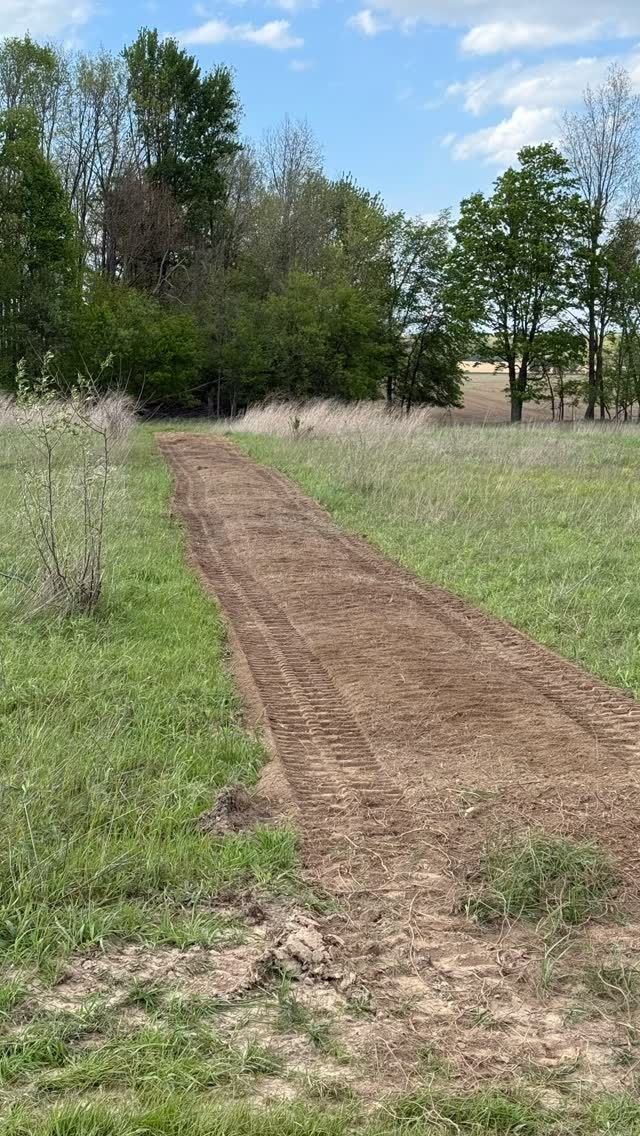
The service removes brush, saplings, and overgrowth that encroaches on travel lanes or sight lines, creating clean corridors that remain accessible for vehicles, utility crews, and property owners. In Michigan, fast-growing species like sumac, wild cherry, and invasive shrubs reclaim cleared areas quickly if left unmanaged, so periodic maintenance prevents the need for more extensive clearing later. Services can be scheduled as one-time clearing projects or set up for recurring maintenance that keeps corridors functional year-round.
Arrange an evaluation of your existing right-of-way to identify areas where vegetation is limiting access or creating hazards.
What Proper Corridor Maintenance Requires
Right-of-way clearing involves cutting back vegetation to defined boundaries, removing woody material that blocks sightlines or overhead clearance, and managing regrowth in a way that reduces future encroachment. The width and clearance requirements depend on the corridor's purpose—utility easements need overhead clearance and side access for line work, while private roads require enough width for vehicle passage and turnaround zones. Mitten State Mulching Co customizes the clearing approach based on how the corridor is used and what ongoing access requirements exist.
Once the corridor is cleared, you'll see improved visibility along the route, easier access for vehicles and equipment, and reduced risk of vegetation interfering with utility lines or road surfaces. Corridors maintained on a regular schedule stay clearer with less effort than areas left to overgrow and then cut back heavily, and recurring maintenance allows for adjustments as land use or access needs change over time.
The service addresses both active corridors that see regular use and dormant easements that need clearing before access can resume. Properties with long driveways, shared access roads, or utility easements that cross wooded areas benefit from vegetation control that prevents encroachment without requiring constant attention. The clearing can be coordinated with utility providers, neighboring landowners, or municipal requirements depending on who holds the easement and what standards apply.
Answers to Frequent Service Questions
Right-of-way work often raises questions about boundaries, clearance standards, and how to manage regrowth without starting from scratch every few years.
What defines the clearing boundary on an easement or private road?
The boundary is typically set by legal easement width, utility company requirements, or practical access needs such as vehicle clearance and turnaround space, with adjustments made for terrain or existing features that affect usability.
How is vegetation managed after the initial clearing?
Mulching techniques break down brush in place and slow regrowth, while follow-up maintenance can be scheduled seasonally or annually depending on how quickly vegetation returns and how the corridor is used.
When is the best time to schedule right-of-way maintenance?
Late fall through early spring is ideal in the Lansing area because vegetation is dormant, ground conditions are firmer for equipment access, and visibility improves without leaf cover obscuring sight lines or boundaries.
What happens to larger trees within the right-of-way?
Trees are assessed individually—some are removed if they pose risks to lines or access, while others may be trimmed or left in place depending on clearance requirements and the property owner's preferences.
Can maintenance prevent the need for full reclearing in the future?
Regular vegetation control reduces the rate of regrowth and keeps corridors functional with lighter touch-ups rather than heavy clearing cycles, which lowers long-term maintenance costs and effort.
Mitten State Mulching Co works with property owners and organizations to maintain functional corridors that stay clear without constant intervention. Contact the company to review your right-of-way conditions and set up a maintenance plan that fits your access and budget requirements.