Access Routes That Work With Your Land
Trail Building and Property Access in Lansing for owners needing safe routes through wooded or difficult terrain
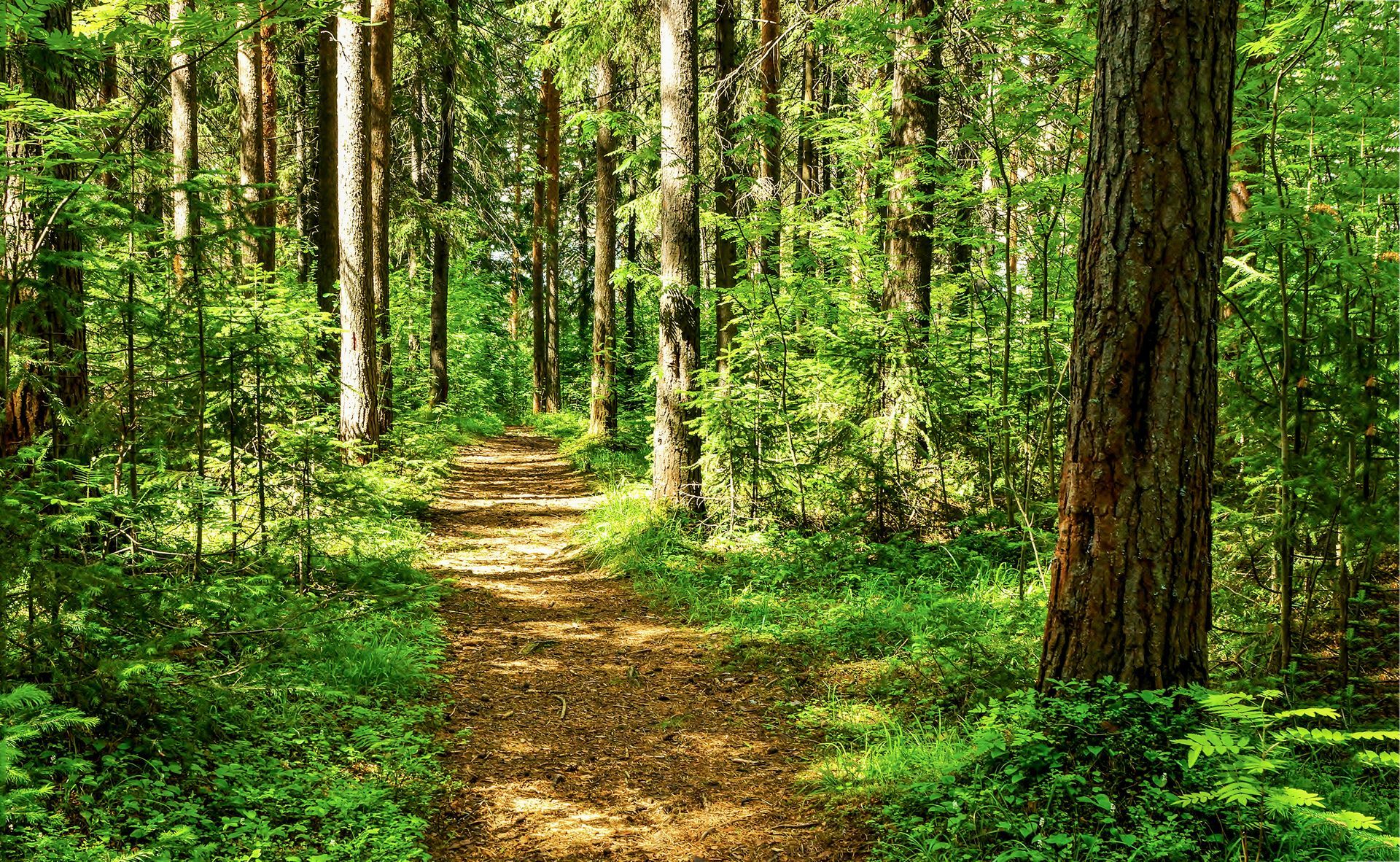
Mitten State Mulching Co creates trails and access routes across wooded and rural properties in Lansing, providing practical solutions for owners who need to reach remote areas for hunting, recreation, utilities, or general navigation. The work addresses a common challenge on larger acreage: how to move through thick vegetation and uneven terrain without creating erosion problems or unnecessary landscape damage. Trail layouts are customized based on how you plan to use the route, whether that means seasonal hunting access, year-round equipment movement, or foot traffic to back corners of your property.
The service involves clearing vegetation along planned routes, shaping the path to minimize water pooling and erosion, and maintaining sight lines that make navigation safer in low light or unfamiliar conditions. Michigan's wet springs and freeze-thaw cycles mean that trails need proper drainage consideration from the start, or they turn into mud channels that widen every season. Each route is planned around terrain features, existing tree stands, and your long-term maintenance goals so the trail remains functional without constant rework.
Request a site evaluation to walk the property and discuss trail placement based on your access needs and terrain.
How Trail Work Supports Long-Term Property Use
The process starts with reviewing where you need to go and what obstacles currently prevent access—whether that's dense brush, low-lying wet areas, or steep grades that make walking or driving hazardous. Routes are flagged and cleared in stages, with attention to root systems and soil stability that affect how well the trail holds up under use. For properties with ongoing recreational or agricultural activity, the goal is creating a path that doesn't require constant maintenance while still blending into the surrounding landscape.
After the trail is established, you'll notice easier movement across your property, improved visibility along the route, and reduced time spent navigating around obstacles or backtracking through thick cover. Trails designed with proper drainage and minimal grade changes stay usable even during wet seasons, and vegetation along the edges grows back in a way that defines the path without overtaking it. Mitten State Mulching Co plans routes to minimize disruption while giving you reliable access to areas that were previously difficult or unsafe to reach on foot or by vehicle.
Existing trails can also be improved by widening narrow sections, correcting drainage issues, or removing overgrowth that has encroached over time. Properties used for hunting often benefit from multiple access points that allow movement without disturbing the same areas repeatedly, while utility access routes need width and clearance that accommodate equipment and allow for future line work or repairs.
Questions Property Owners Ask Before Trail Work
Trail projects bring up practical questions about planning, terrain, and ongoing maintenance, especially on properties where access has been limited for years.
How is the trail route determined?
The layout is based on your intended use, existing terrain features, soil conditions, and areas you want to avoid such as wetlands or established tree stands, with adjustments made to minimize erosion and long-term maintenance needs.
What happens to vegetation removed during clearing?
Brush and smaller material can be mulched in place to stabilize the trail edges, while larger trees or debris are typically processed and cleared from the route depending on your preference and site conditions.
How wide should a trail be for different uses?
Foot trails for hunting or hiking typically range from three to five feet, while ATV or utility vehicle access requires six to eight feet, and routes for trucks or equipment often need ten feet or more depending on turning radius and clearance requirements.
Can trails handle Michigan's freeze-thaw cycles without constant repair?
Properly graded trails with drainage consideration remain stable through seasonal changes, though wet areas may need additional surface material or slight elevation to prevent rutting during spring thaws common in the Lansing region.
How often does trail maintenance need to happen?
Well-designed trails require minimal upkeep, though high-traffic routes or areas with aggressive regrowth may benefit from periodic brush trimming or surface grading every few years to maintain usability.
Mitten State Mulching Co works with property owners to design trail systems that fit both current access needs and future land use plans. Schedule a consultation to review your property layout and discuss trail options that improve accessibility without creating ongoing maintenance burdens.